Source High Torque Quartz Decorative Clock for Home, Hotel, Office
Compare 30 high torque quartz decorative clock options from verified suppliers. These timepieces feature analog displays, customizable colors, and durable materials like ABS plastic and wood for household and hotel use; compare the available evidence and request quotations based on your requirements.
Key considerations
Products List


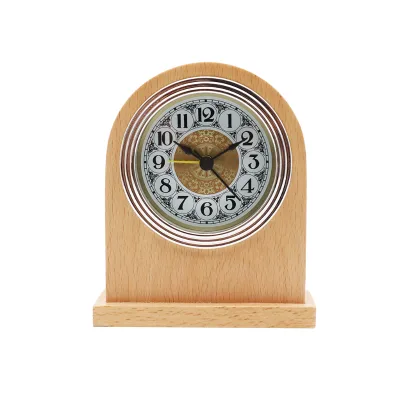
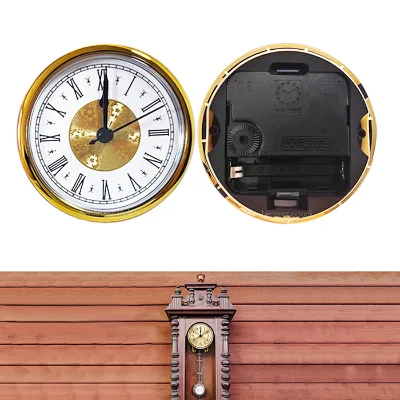


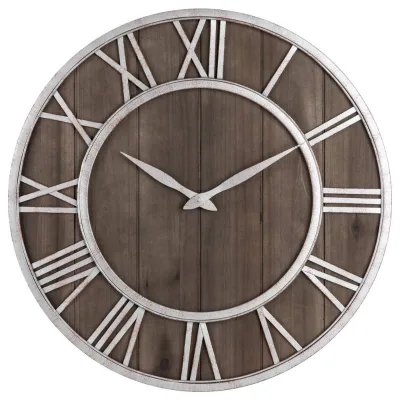
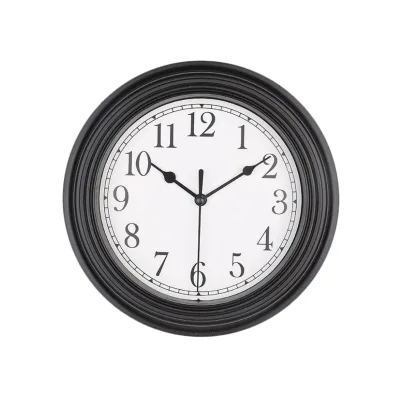


Comprehensive Sourcing Guide
High Torque Quartz Decorative Clock Sourcing Guide
Sourcing high torque quartz decorative clocks requires a nuanced understanding of the mechanical demands placed on the movement mechanism. Unlike standard timekeeping devices, decorative variants often feature larger dials, heavier hands, or additional complications that demand superior rotational force. Buyers must prioritize movements explicitly rated for high torque to prevent stalling or inaccurate timekeeping, especially when integrating with complex aesthetic designs. The observed market signals indicate a diverse range of options, from simple analog displays to smart-enabled units with WiFi and Bluetooth connectivity. This variety necessitates careful selection based on the specific weight and friction characteristics of the intended clock face.
The procurement landscape for these components is characterized by significant customization potential and a wide price spectrum. Listings reveal prices ranging from $0.50 to $20.98, reflecting differences in material quality, feature sets, and brand positioning. Minimum order quantities vary drastically, starting from just two pieces for sampling up to 5,000 for bulk production, allowing flexibility for both small boutique brands and large-scale manufacturers. Key attributes such as water resistance, vibration tolerance, and extended service life are critical differentiators. Buyers should evaluate whether the observed specifications, such as a five-to-ten-year service life or high-precision accuracy, align with the durability expectations of their target market segments.
Product Scope and Observed Listing Signals
The current market offers a broad spectrum of clock movements and finished units, categorized by style, function, and power source. Observed listings highlight fashion-oriented designs, including Art Deco and geometric shapes, often constructed from materials like ABS plastic, wood, or metal combinations. These decorative elements are paired with various display methods, primarily analog needle displays, though digital and smart features are increasingly prevalent. The presence of brands like Zhengtaifeng and HR suggests a mix of OEM and private label opportunities. Buyers should note that while many products are marketed as alarm clocks, the underlying movement types range from basic quartz to advanced smart mechanisms, requiring clear definition of the end-use application during sourcing.
Functional capabilities observed in the market extend beyond basic timekeeping to include radio control, WiFi, and Bluetooth connectivity. This technological integration allows for automatic time synchronization and smart home compatibility, appealing to modern consumers. However, the core mechanical reliability remains paramount, with many suppliers emphasizing high torque capabilities to ensure consistent performance. The observed accuracy of ±20 seconds per month and high-precision engineering indicates a focus on reliability. Additionally, features such as LUMINOVA hands and calendar functions add value for decorative pieces. Buyers must verify if the specific high-torque requirement is met by the listed movement type, as not all decorative clocks inherently possess the necessary rotational force for heavier components.
Technical Specifications to Verify
When evaluating high torque quartz movements, the primary technical focus must be on the motor’s rotational force and its ability to drive heavy loads. Buyers should verify the specific torque rating, often measured in millinewton meters, to ensure it matches the weight of the clock hands and any additional mechanisms like chimes or calendars. The observed vibration resistance, such as passing a 10g vibration test, is a critical indicator of mechanical robustness. This specification ensures that the clock maintains accuracy and does not stall under physical stress, which is particularly important for wall-mounted or frequently handled decorative pieces. Confirming these mechanical limits prevents field failures and reduces warranty claims.
Power management and environmental tolerance are equally vital technical considerations. The observed battery life of 24 months and operating temperature range of -10℃ to 60℃ provide a baseline for performance expectations. Buyers must ensure that the selected movement can maintain high torque output across this entire temperature spectrum, as extreme cold can increase lubricant viscosity and reduce motor efficiency. Additionally, the service life of 5 to 10 years suggests long-term durability, but this should be corroborated with specific cycle testing data. The choice between quartz, mechanical, or smart power types will also impact the overall system design, requiring careful integration of battery compartments or power sources into the decorative housing.
Compliance and Safety Documentation
Regulatory compliance is a non-negotiable aspect of sourcing clock movements, particularly when targeting international markets. The observed certifications, including CE, RoHS, and FDA, indicate adherence to European and American safety and environmental standards. Buyers must verify that these certifications are current and applicable to the specific product variant, as compliance can vary between different models and manufacturing batches. RoHS compliance ensures that hazardous substances are restricted, which is crucial for electronic components and plastic casings. CE marking confirms conformity with health, safety, and environmental protection standards for products sold within the European Economic Area.
Documentation requirements extend beyond basic certifications to include detailed technical files and test reports. Buyers should request evidence of the vibration resistance tests and accuracy measurements to validate the supplier’s claims. The observed production capacity of 50,000 pieces suggests that suppliers have established quality control processes, but independent verification is recommended. Additionally, material safety data sheets for components like ABS plastic and wood finishes should be reviewed to ensure they meet local regulations. Ensuring that all documentation is complete and accurate facilitates smoother customs clearance and reduces the risk of regulatory penalties or product recalls in the destination market.
Cost Drivers and Commercial Terms
The cost of high torque quartz decorative clocks is influenced by several key factors, including material composition, feature complexity, and order volume. The observed price range of $0.50 to $20.98 reflects the disparity between basic analog movements and advanced smart-enabled units. Buyers should analyze the bill of materials to understand the cost impact of premium features such as LUMINOVA hands, radio control, or WiFi connectivity. Customization options, such as specific colors or branding, may also incur additional setup fees or higher unit costs. Understanding these drivers allows for more accurate budgeting and negotiation strategies when engaging with suppliers.
Commercial terms, including minimum order quantities and payment conditions, play a significant role in the total cost of ownership. The observed MOQ range of 2 to 5,000 pieces offers flexibility for different business models, from small batch testing to large-scale production. Buyers should negotiate terms that align with their inventory management capabilities and cash flow constraints. Sample times of 1-2 days indicate responsive suppliers, but lead times for bulk orders should be confirmed to ensure timely delivery. Additionally, packaging specifications, such as carton packing, should be evaluated for their impact on shipping costs and product protection during transit. Clear communication of these terms helps avoid unexpected expenses and ensures a smooth procurement process.
Supplier Qualification and Quality Control
Selecting a reliable supplier for high torque quartz movements requires a thorough assessment of their manufacturing capabilities and quality control systems. Buyers should verify the supplier’s production capacity, with observed figures indicating up to 50,000 pieces, to ensure they can meet demand without compromising quality. It is essential to confirm that the supplier has experience in producing high-torque movements and can provide references or case studies from previous clients. Additionally, the supplier’s ability to offer customization, such as specific colors or branding, should be evaluated to ensure it aligns with the buyer’s product design requirements.
Quality control processes should be rigorously examined to ensure consistent product performance. Buyers should request details on the supplier’s inspection protocols, including incoming material checks, in-process monitoring, and final product testing. The observed specifications, such as high precision and vibration resistance, should be backed by documented test results. Establishing a clear quality agreement that defines acceptable defect rates and remediation procedures is crucial. Regular audits or third-party inspections may be necessary for large orders to ensure ongoing compliance with quality standards. Building a strong relationship with a qualified supplier helps mitigate risks and ensures a steady supply of high-quality components.
Long-Term Procurement Checks
Sustaining a successful sourcing strategy for high torque quartz decorative clocks involves continuous monitoring and relationship management. Buyers should establish key performance indicators to track supplier performance, including on-time delivery rates, product quality metrics, and responsiveness to issues. Regular communication with the supplier is essential to address any emerging challenges and to explore opportunities for cost optimization or product improvement. Additionally, staying informed about industry trends and technological advancements can help buyers remain competitive and meet evolving customer demands. Proactive engagement with suppliers fosters a collaborative partnership that benefits both parties.
Long-term procurement also requires attention to supply chain resilience and risk management. Buyers should diversify their supplier base to mitigate the risk of disruptions caused by geopolitical events, natural disasters, or production issues. Regularly reviewing and updating the supplier qualification criteria ensures that partners continue to meet the required standards. Furthermore, monitoring regulatory changes in target markets is crucial to ensure ongoing compliance. By implementing a structured approach to supplier management, buyers can secure a reliable supply of high-quality clock movements and maintain a competitive edge in the market. This strategic focus on long-term partnerships drives sustainable growth and operational efficiency.
FAQs
What power types are available for these clock movements?
The product line supports Quartz, Mechanical, and Smart power types. This versatility allows buyers to select the optimal mechanism for their specific design requirements. Quartz options are highlighted for their reliability and precision, ensuring consistent timekeeping performance across various decorative applications and usage scenarios.
Can the clock movements be customized for specific brands?
Yes, customization is available for OEM branding and specific design needs. Buyers can request custom colors and tailored specifications to match their product lines. This flexibility supports unique market positioning and ensures the final product aligns precisely with the buyer's aesthetic and functional requirements.
What certifications do these clock movements hold?
The movements hold CE, RoHS, and FDA certifications. These credentials ensure compliance with international safety and environmental standards. Buyers can confidently source these components for global markets, knowing they meet rigorous regulatory requirements for electronic and mechanical devices used in household and commercial settings.
What is the typical accuracy of these quartz movements?
The accuracy is rated at ±20 Seconds per Month. This high-precision performance ensures reliable timekeeping for decorative and functional clocks. The consistent accuracy makes these movements suitable for various applications, including desk clocks and alarm clocks, where precise time display is essential for user satisfaction.
What is the minimum order quantity for these products?
The minimum order quantity starts at 2 pieces. This low MOQ allows buyers to test samples or order small batches for initial market testing. It reduces entry barriers for new buyers and supports flexible sourcing strategies for both small-scale projects and larger production runs.
What materials are used in the clock construction?
Materials include ABS plastic, wood, metal, and plastic combinations. These durable materials ensure longevity and aesthetic appeal for various clock designs. The use of high-wear-resistant components enhances the product's lifespan, making it suitable for both household and hotel environments where frequent use is expected.